
Destinations · Dordogne
A river at the foot of an abbey, a castle with striking roofs, paths winding through meadows and woods: the Périgord Vert is best explored in small steps. In the northern Dordogne, take the time to discover the villages, landscapes, and local crafts that give this region its unique character.
Where is the Périgord located? Green?
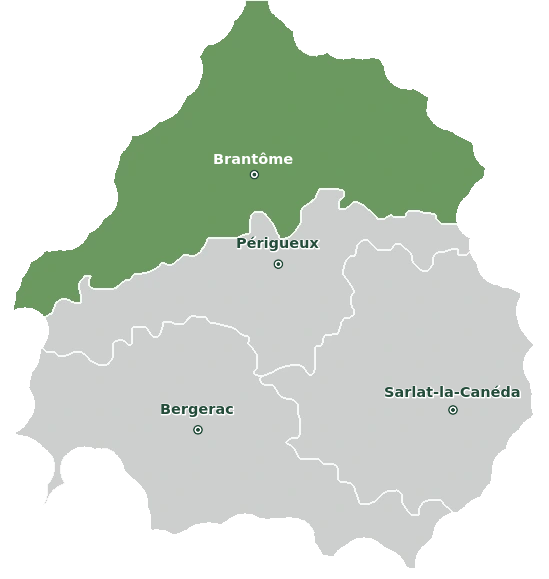
The Périgord Vert refers to the northern part of the Dordogne, particularly the areas around Brantôme, Nontron, and the landscapes of the Haut-Périgord. This tourist designation does not correspond to an administrative boundary; rather, it serves as a guide for planning your explorations of the valleys, villages, and wooded countryside.
Part of the region lies within the Périgord-Limousin Regional Nature Park, which also extends into the Haute-Vienne department. The park and the Périgord Vert are not the same thing. Plan your stops based on distance rather than trying to cover the entire northern part of the department in a single day.
Must-See Attractions in the Périgord Vert
 Father Igor · CC BY-SA 3.0 · Wikimedia Commons
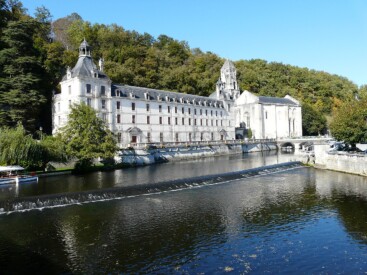
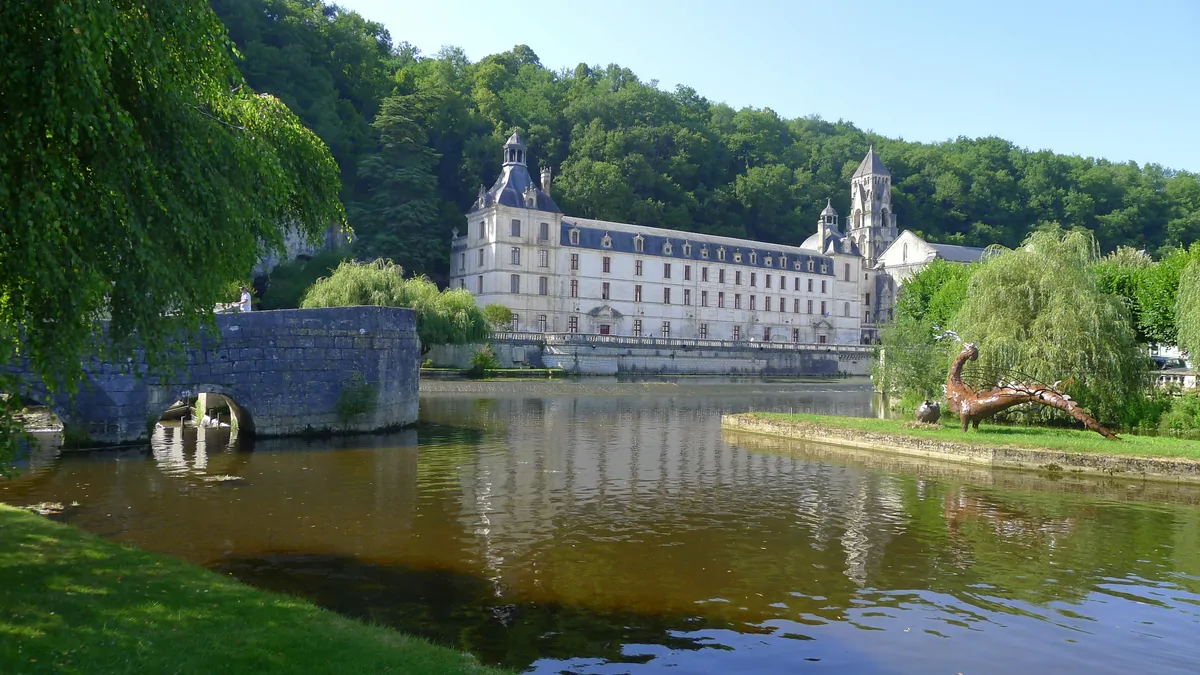
Brantôme, on the banks of the Dronne
The abbey and the walks along the water are a great starting point for exploring the area. Be sure to take some time to stroll through the streets of the town center as well.
 © Dan Courtice
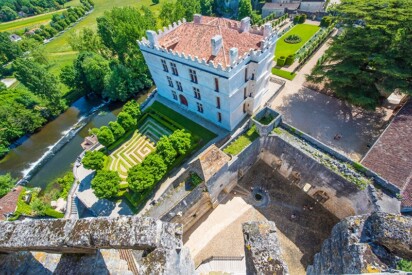
The Castle of Bourdeilles
Two residences—one medieval and one Renaissance—share the same site overlooking the Dronne River. There’s more to explore in the village.
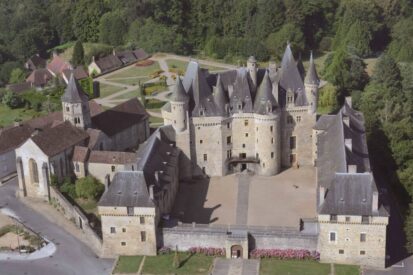
Jumilhac Castle
Its ornate roofs create a striking silhouette in the heart of Jumilhac-le-Grand. Plan your visit by reviewing the information about the castle.
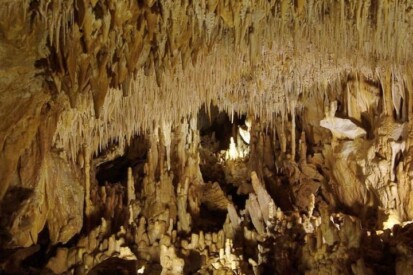
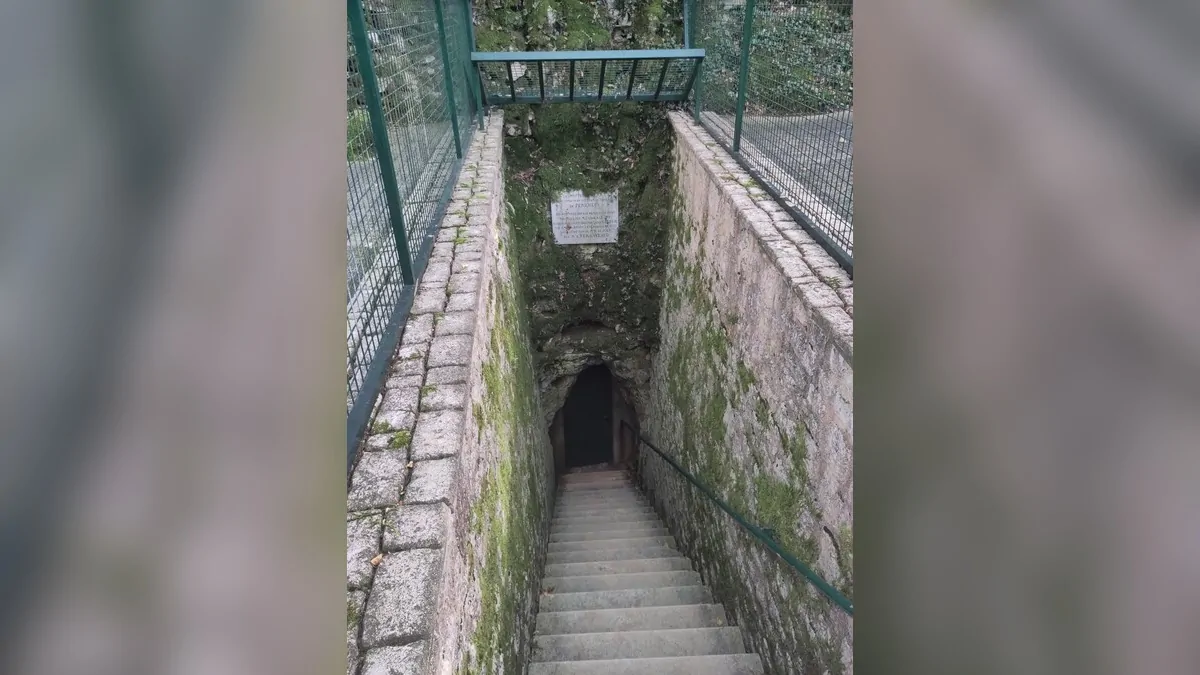
The Cave of Villars
Prehistoric stalactites and cave paintings can be discovered underground. A tour that connects the landscapes of the Périgord Vert to a much older history.
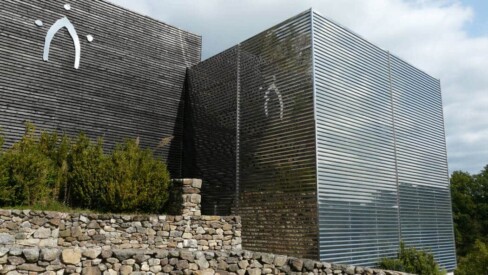
Nontronnaise Cutlery
In Nontron, the cutlery workshop offers a glimpse into a time-honored craft. Please review the visit guidelines before exploring the workshop.
Villages and Small Towns: Places to Enjoy
To Brantôme, walks along the Dronne River complement a visit to the abbey and the historic center. Continue on to Bourdeilles to combine cultural heritage with a stroll through the village, without limiting the stop to just a visit to the castle.
Saint-Jean-de-Côle is worth a stop for its village center and its setting along the Côle River. At Nontron, discovering local crafts adds a whole new dimension to the trip. Further east, Jumilhac-le-Grand offers a glimpse of the Haut-Périgord through a castle with a distinctive silhouette.
Choose a few stops that are close to one another, and allow plenty of time for travel, breaks, and meeting people. It’s often between visits that the charm of this part of the Dordogne really comes to life.
Heritage, Prehistory, and Living Traditions
The Périgord Vert brings together very different eras. The Castle of Bourdeilles combines elements of a medieval fortress and a Renaissance mansion. The roofs of the château de Jumilhac make you want to take in the details even before you go inside.
At the Cave of Villars, prehistoric paintings and stalactites and stalagmites offer a glimpse into another kind of heritage—this time, underground. In Nontron, the Nontronnaise Cutlery showcases a craft that is still very much alive. Be sure to check the workshop visiting hours before you come.
To round out your walk in Brantôme, check out the information sheet for Brantôme Abbey, along with its practical information.
Nature and Activities in the Périgord Vert
The Dronne River and the small valleys invite you to explore different viewpoints, whether on foot or through an activity suited to the day’s conditions. The trails wind through landscapes of woods, meadows, and villages: plan your route using our section Hikes and Walks in the Dordogne, by checking the distance, the terrain, and access points.
In the Périgord-Limousin Regional Nature Park, focus on exploring the local environments and cultural heritage in depth. Guided tours can help you understand a landscape or a traditional craft; check the events that are actually listed rather than assuming that there’s an activity every day.
If you’re planning an outing on the water, check with professionals about routes, water levels, equipment, and safety guidelines. When traveling with your family, alternate between activities and short stops to maintain a pleasant pace.
Plan Your Trip to the Périgord Vert
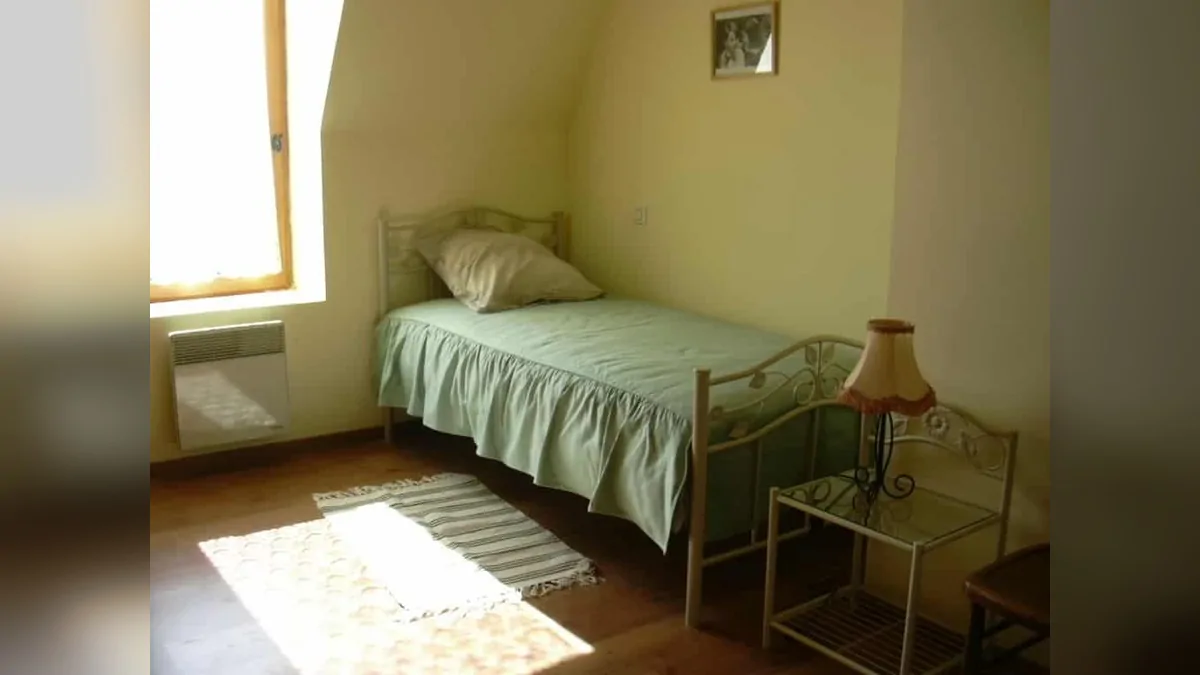 © La Menuiserie Guesthouse
Choosing Your Starting Point
A base near Brantôme, Nontron, or the Haut-Périgord won't lead to the same itineraries. Decide on your priorities before choosing your lodging.
 ©
Find the Best Places to Go
Restaurants, tours, and activities round out a day of exploration. Check out the listings for each establishment to plan your stops.
 ©
Check out upcoming releases
Markets, events, and activities offer ideas for extending your visit. Be sure to check the dates, locations, and any necessary reservations.
Practical Information About the Périgord Vert
What is the difference between the Périgord Vert and the Périgord-Limousin Park?
The Périgord Vert is a tourist region in northern Dordogne. The Périgord-Limousin Regional Nature Park has its own boundaries, straddling the Dordogne and Haute-Vienne departments. The two regions partially overlap.
What should you see on your first visit?
Brantôme and Bourdeilles can serve as a starting point for a hike around the Dronne River. You can then add Villars, Nontron, or Jumilhac as you wish, rather than cramming too many long stretches into a single day.
Can we plan a family vacation?
Yes, by tailoring the tours and activities to the children’s ages. Be sure to check on accessibility, the duration of the tours, and the specific activities offered—especially for underground tours or water-based activities.
What's the best time of year to visit?
Spring and fall are ideal for walks through ever-changing landscapes. In the summer, be sure to make reservations in advance; during the off-season, check the opening days of attractions and establishments before you go.