
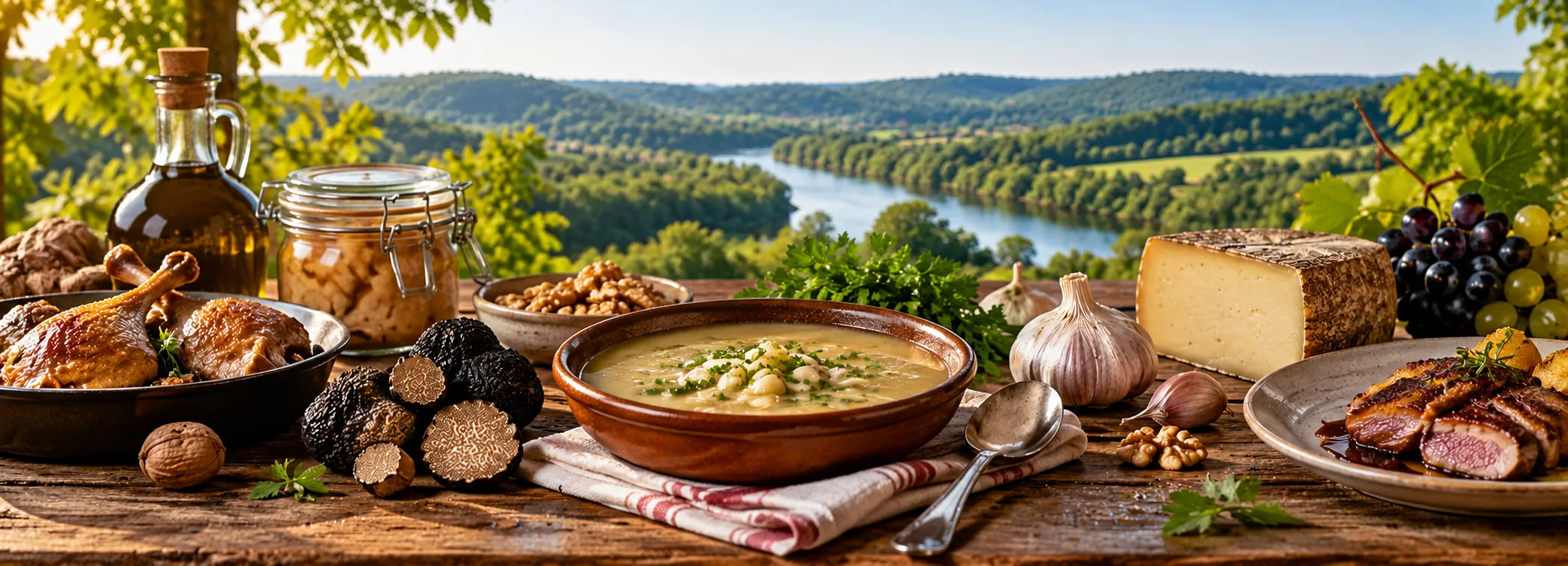
Potatoes browned in duck fat, the scent of porcini mushrooms after the rain, crunchy walnuts, and black truffles: the cuisine of the Périgord reflects a bountiful “ campagne ” and distinct seasons. Here are twelve recipes to make at home, along with their variations and regional highlights.
Périgord Salad
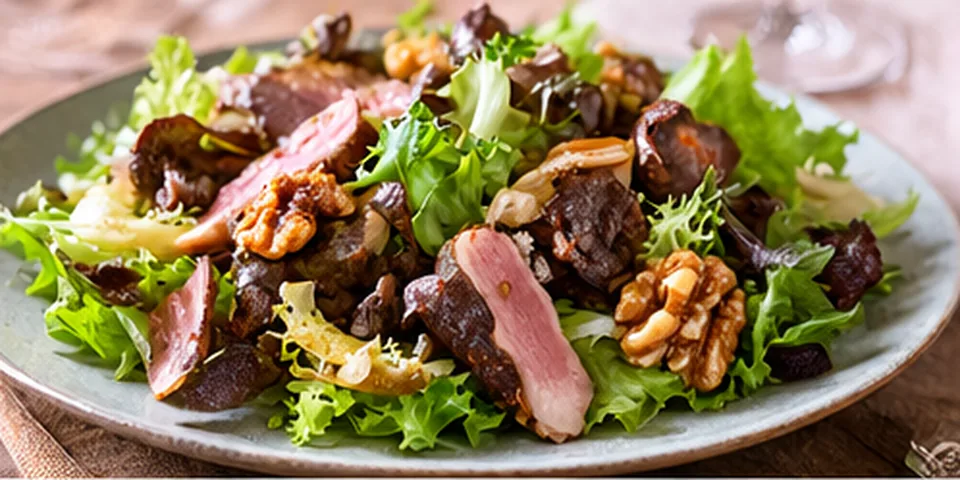
A Taste of the Region. This is more of a bistro-style or family-style dish than a traditional recipe: gizzards, walnuts, and duck products are common in the Périgord, with variations depending on the season.
Ingredients
- 180 g of baby greens or salad leaves
- 200 g of confit duck gizzards
- 80 g of walnut kernels
- 120 g of bread campagne
- 2 tablespoons of walnut oil
- 1 tablespoon of wine vinegar
- 1 teaspoon mustard, salt, and pepper
Preparation
- Wash and spin-dry the lettuce. Coarsely chop the walnuts and cut the bread into cubes.
- Brown the croutons in a skillet with a spoonful of fat rendered from the gizzards, then set them aside.
- Heat the gizzards over low heat for 6 to 8 minutes, and slice them if they are large.
- Whisk together the mustard, vinegar, walnut oil, salt, and pepper. Dress the salad just before serving, then top with gizzards, walnuts, and croutons.
Helpful tip. Add an apple or a few slices of dried duck breast, depending on the season; the vinaigrette should remain light so that the walnuts can shine.
Sarlada-Style Apples
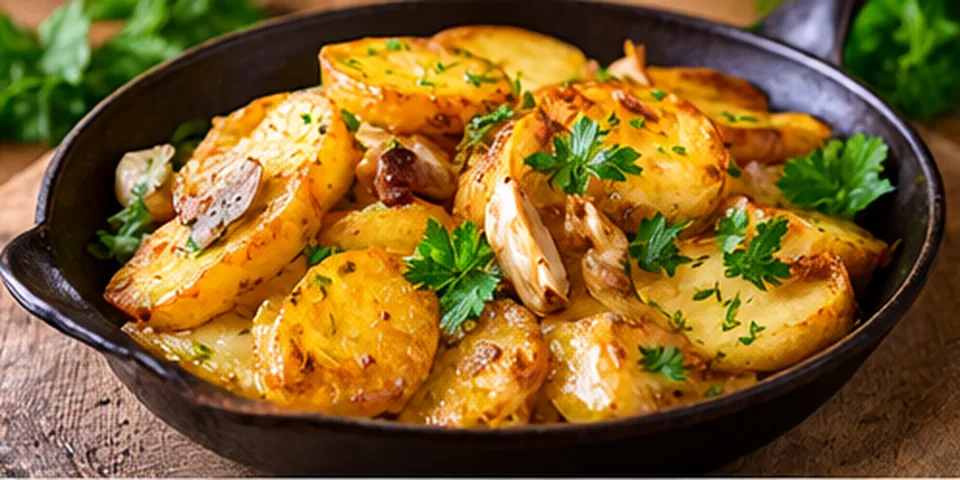
Local specialty. The departmental tourism office highlights Sarlat potatoes as a must-try dish in the Sarlat region and the Périgord. Garlic and parsley are added at the end of cooking.
Ingredients
- 1 kg of firm-fleshed potatoes
- 3 tablespoons of duck or goose fat
- 2 cloves of garlic
- 3 tablespoons chopped flat-leaf parsley
- Salt and pepper
Preparation
- Peel the potatoes, cut them into 4- to 5-mm-thick slices, rinse them briefly, and then dry them thoroughly.
- Melt the fat in a large skillet. Arrange the slices in as even a layer as possible and cook for 15 minutes over medium heat, turning them carefully.
- Continue cooking for 15 to 20 minutes over low heat, covered for a few minutes if necessary, until the center is tender and the edges are golden brown.
- Add the finely chopped garlic, parsley, salt, and pepper at the very end; stir to combine and serve immediately.
Helpful tip. Don't overcrowd the pan: cook in two batches to ensure the pancakes come out golden brown rather than soggy.
Omelet with Porcini Mushrooms
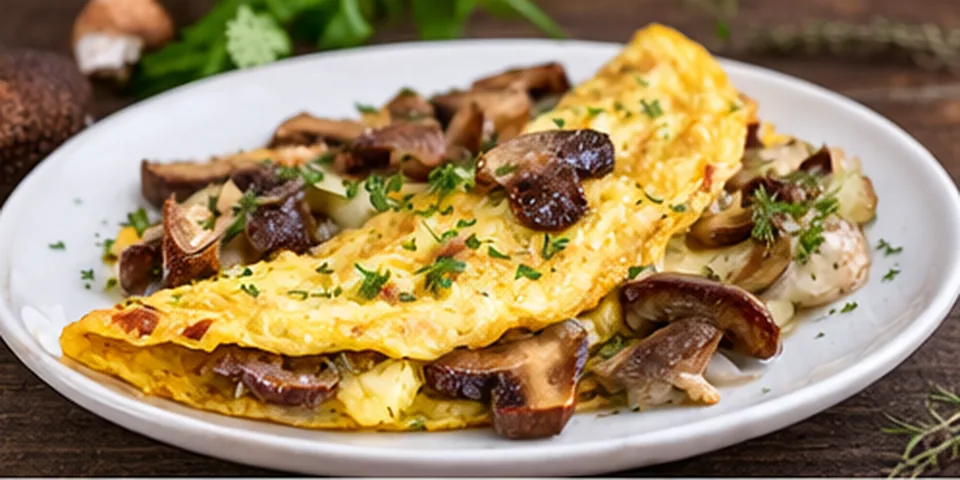
Seasonal product. Porcini mushrooms are closely associated with the forests of the Périgord, but mushroom omelets are made throughout the Southwest. Be sure to use mushrooms that have been positively identified.
Ingredients
- 500 g fresh porcini mushrooms (or 40 g rehydrated dried porcini mushrooms)
- 8 eggs
- 25 g butter
- 1 shallot (optional)
- 2 tablespoons of parsley
- Salt and pepper
Preparation
- Clean the porcini mushrooms without soaking them; dice the stems and slice the caps.
- Sauté the shallot in half the butter, add the porcini mushrooms, and cook for 8 to 10 minutes until their liquid has evaporated. Season with salt and pepper, and add the parsley.
- Beat the eggs just enough to combine the whites and yolks, without making them frothy. Fold in the warm mushrooms.
- Heat the remaining butter in a skillet. Pour in the eggs, fold the edges toward the center, and remove from heat when the center is still soft.
Helpful tip. Frozen porcini mushrooms release more water: cook them on their own first until all the water has evaporated.
Garlic-flavored Tourin
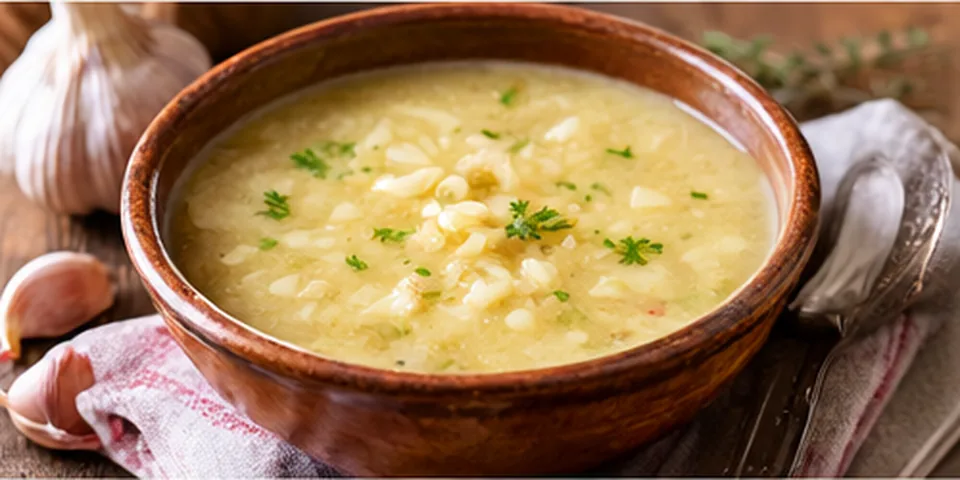
A shared tradition. Tourin, a rustic garlic soup thickened with egg, comes in several varieties in the Southwest, including the Périgord. The amount of vinegar and the way the eggs are cooked vary from family to family.
Ingredients
- 2 heads of garlic (about 18 cloves)
- 1.2 liters of chicken or vegetable broth
- 2 eggs
- 1 tablespoon of flour
- 1 tablespoon of oil or duck fat
- 1 tablespoon of wine vinegar
- 4 slices of bread campagne, salt, and pepper
Preparation
- Peel and crush the garlic. Sauté it gently in the fat for 2 minutes, without letting it brown.
- Sprinkle in the flour, stir for one minute, then gradually pour in the broth. Bring to a simmer and cook for 18 minutes.
- Separate the egg whites from the yolks. Slowly pour the egg whites into the simmering soup in a thin stream, stirring gently to poach them. Remove the soup from the heat. In a bowl, whisk the egg yolks with the vinegar and a ladleful of hot broth.
- Gradually pour the egg-yolk and vinegar mixture into the sauce, off the heat, while whisking. Adjust the seasoning and serve without bringing it back to a boil; you can place the poached eggs on top of the slices of toasted bread.
Helpful tip. After adding the egg yolks, do not boil the tourin any further: it will remain thick and velvety.
Pork Enchaud
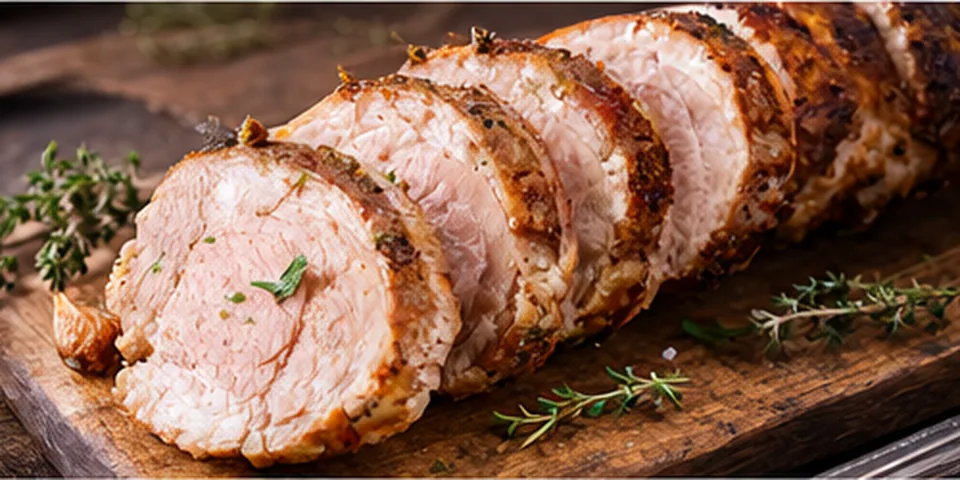
A traditional farm-style dish. "Enchaud" refers to a cut of pork confit in its own fat, traditionally stored in a jar. This oven-baked version captures the essence of the dish without claiming to be the only way to make it.
Ingredients
- 1.5 kg boneless, tied pork loin
- 5 cloves of garlic
- 2 teaspoons of coarse salt
- 1 teaspoon of coarsely ground pepper
- 2 sprigs of thyme
- 2 bay leaves
- 600 g of pork or duck fat
Preparation
- Rub the meat with salt, pepper, and crushed garlic. Add thyme and bay leaf, cover, and let it sit in the refrigerator for 12 hours.
- Pat the meat dry. In an ovenproof casserole dish, melt the fat and gently brown the pork loin on all sides.
- Cover and bake at 140 °C for about 2 hours 30 minutes to 3 hours, turning once. The meat should be very tender and cooked all the way through; check with a meat thermometer.
- Let it rest for 20 minutes before slicing. Serve hot or cold, with potatoes, salad, or pickles.
Helpful tip. This home-cooked meal is not a canned food: refrigerate leftovers promptly and consume them within the recommended time frames for cooked foods.
Duck confit
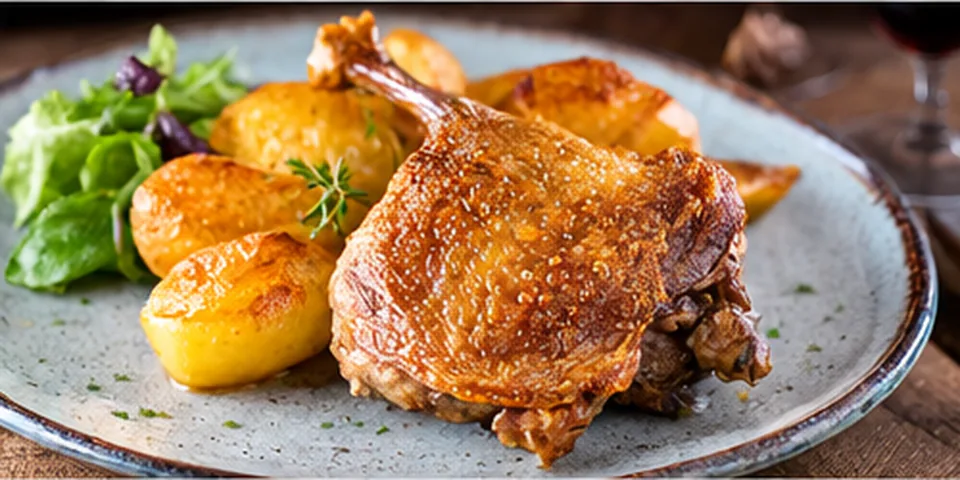
A specialty of the Southwest shared with the Périgord region. Confit is a signature dish of the Southwest; its prevalence in the region does not mean it is unique to the Dordogne. This method uses thighs that have already been confited.
Ingredients
- 4 duck confit legs (about 1.2 kg)
- 2 tablespoons of fat from the confit
- Black pepper
- 1 kg of potatoes for a side dish (optional)
Preparation
- Preheat the oven to 190 °C. Trim the excess fat from the chicken thighs and set some aside for the potatoes.
- Place the chicken thighs skin-side down in a baking dish, without stacking them on top of each other. Bake for 25 to 30 minutes, until the skin is crispy and the meat is piping hot.
- For the side dish, brown the diced potatoes in a skillet with the reserved fat over medium heat until they are tender and golden brown.
- Season the thighs with pepper just before serving; taste before adding salt, as the confit is often already salty.
Helpful tip. Let the chicken thighs drain on a rack for a few minutes after cooking to keep the skin crispy.
Duck Breast with Porcini Mushrooms
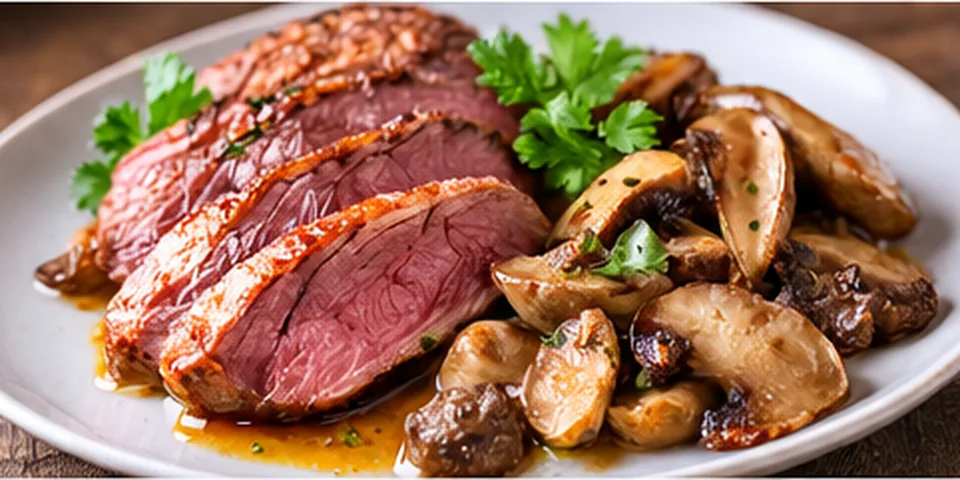
Regional agreement, shared product. Duck and porcini mushrooms are common on tables in the Périgord, but duck breast is more widely associated with the cuisine of the Southwest. The cooking method for duck breast must be adapted to its thickness and the desired level of doneness.
Ingredients
- 2 duck breasts (about 700 g)
- 350 g of porcini mushrooms
- 1 shallot
- 15 g of butter
- 8 cl of broth
- 1 tablespoon parsley, salt, and pepper
Preparation
- Score the skin of the duck breasts without cutting into the meat. Place them skin-side down in a cold skillet, then cook over medium heat for 8 to 10 minutes, skimming off the rendered fat regularly.
- Turn the duck breasts over and continue cooking for 3 to 6 minutes, depending on their thickness and how well done you want them. Check the internal temperature with a thermometer and let them rest under a loose sheet of aluminum foil.
- Meanwhile, sauté the shallot in butter, add the porcini mushrooms, and cook for 8 to 10 minutes. Pour in the broth and reduce for 2 minutes.
- Slice the duck breasts after they have rested, season them, and serve with the porcini mushrooms and their juices.
Helpful tip. Strained duck fat can be used to cook potatoes; store it in the refrigerator in a clean container.
Semi-cooked foie gras, apples, and toast
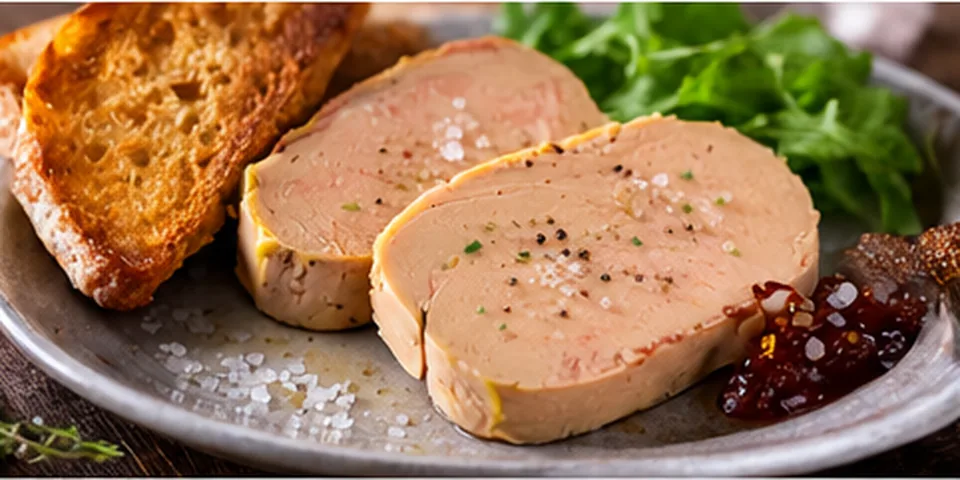
Traditions of the Périgord and the Southwest. Foie gras is a major regional product, but it is not exclusive to the Dordogne. The “mi-cuit” variety is a refrigerated, delicate product: be sure to choose a certified product and follow a professional’s instructions.
Ingredients
- 200 g of semi-cured foie gras prepared by a professional
- 8 thin slices of bread campagne
- 1 apple (about 150 g)
- 10 g of butter
- 1 teaspoon of honey
- A few lettuce leaves, freshly ground pepper
Preparation
- Keep the foie gras in the refrigerator until ready to serve. Cut the apple into thin wedges and sauté them in butter for 5 to 6 minutes until golden brown. Add the honey at the end of cooking and set aside.
- Lightly toast the bread and prepare a few lettuce leaves to add some freshness.
- Just before serving, slice the semi-cured foie gras with a hot knife, wiping it clean between each cut.
- Place a slice of foie gras on each piece of toast, serve with warm apple and a side of salad, then add a twist of pepper.
Helpful tip. This recipe shows how to plate a semi-cooked foie gras that has already been prepared and is ready to serve; it does not describe how to make it. Store it in the refrigerator and follow the manufacturer’s instructions.
Scrambled Eggs with Truffles
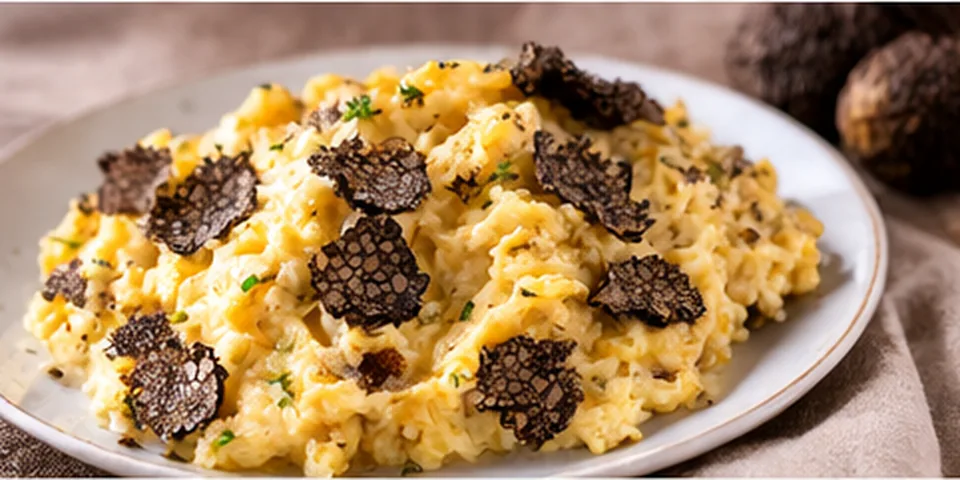
A specialty from the Périgord truffle region. The black Périgord truffle is a culinary hallmark of the region, particularly around Sorges. The scrambled eggs are a mild dish that lets the truffle’s aroma take center stage.
Ingredients
- 8 eggs
- 15 to 20 g of fresh black truffle
- 30 g butter
- 2 tablespoons of crème fraîche
- Fine salt and pepper
Preparation
- Brush the truffle, grate half of it, and slice the rest into thin strips. Mix the grated truffle with the eggs, cover, and let it sit for 1 to 2 hours in the refrigerator.
- Melt the butter in a heavy-bottomed saucepan. Add the eggs and stir constantly over very low heat with a spatula.
- Remove from the heat when the mixture is creamy and still smooth. Stir in the cream, then season with salt and pepper.
- Divide among warm plates and add the remaining truffle slices just before serving.
Helpful tip. Residual heat continues the cooking process: turn off the heat a little before the desired consistency is reached.
Walnut Cake
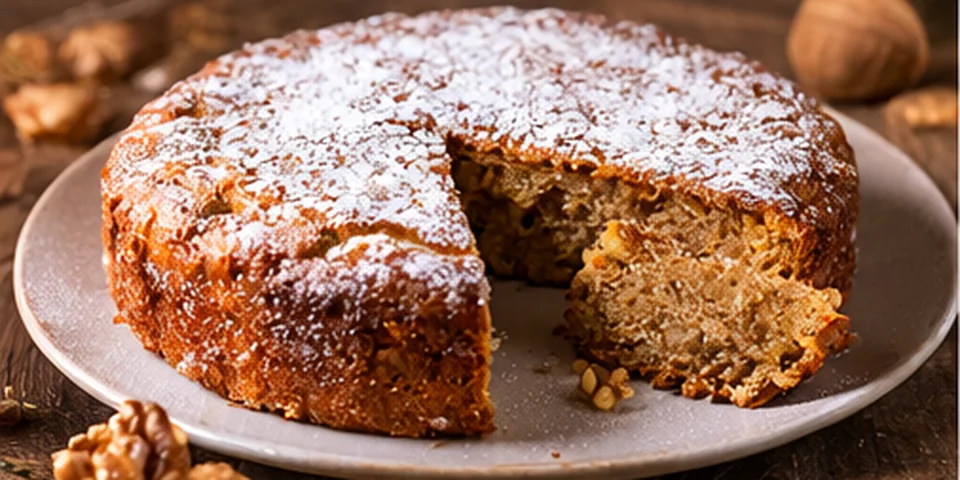
Iconic product. Périgord walnuts have PDO status and are available fresh, dried, or as kernels. This family-style cake features dried kernels, without claiming to be a unique traditional recipe.
Ingredients
- 180 g of walnut kernels
- 120 g of flour
- 120 g of sugar
- 100 g melted butter
- 3 eggs
- 1 teaspoon of baking powder
- 1 pinch of salt
- 1 tablespoon of rum (optional)
Preparation
- Preheat the oven to 170 °C. Chop the walnuts fairly finely, reserving a few chunks for texture.
- Beat the eggs with the sugar until the mixture turns pale. Stir in the melted, cooled butter and the rum, if using.
- Mix the flour, yeast, and salt, then add them to the mixture. Fold in the walnuts without overworking the dough.
- Pour the batter into a buttered 22-cm pan and bake for 30 to 35 minutes. When you insert a knife, it should come out with a few crumbs, but no liquid batter.
Helpful tip. Lightly toast the nuts in a dry pan and let them cool before adding them to the mixture to enhance their flavor.
Walnut and Honey Tart
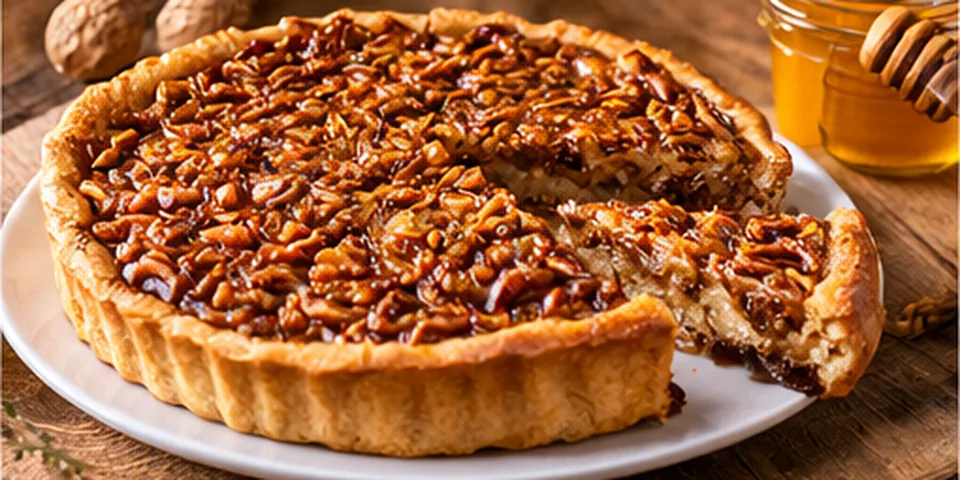
Terroir pairing. The Périgord AOP walnut is the local staple of this tart; the honey adds a rounded flavor. The filling is a homemade creation, not a traditional regional recipe.
Ingredients
- 1 shortcrust pastry (about 250 g)
- 180 g of walnut kernels
- 100 g of mild honey
- 80 g brown sugar
- 20 cl of whole cream
- 2 eggs
- 1 pinch of salt
Preparation
- Preheat the oven to 180 °C. Line a 26-cm pan with the dough, prick the bottom with a fork, and set aside in the refrigerator.
- Coarsely chop the walnuts. Whisk the eggs with the sugar, then add the honey, cream, and salt.
- Spread the walnuts over the bottom of the tart shell and pour in the filling. Bake for 30 to 35 minutes, until the filling is set and golden brown.
- Let it cool for at least 30 minutes before cutting so that the filling sets.
Helpful tip. If the top browns too quickly, cover it with a sheet of parchment paper for the remainder of the baking time.
Périgord-style mique (steamed mique, salted pork, and vegetables)
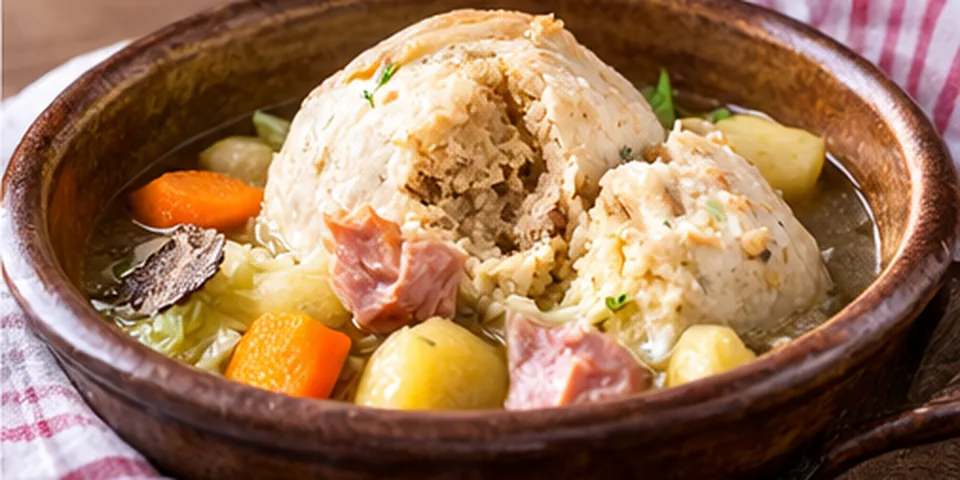
A tradition shared by the Périgord and neighboring regions. Variations exist depending on the family and region. This leavened bread, served with salted pork and vegetables, is part of a rural tradition shared by the Périgord, Quercy, and Bouriane regions; it is not claimed to be exclusive to the Dordogne.
Ingredients
- 750 g wheat flour (plus a little more for kneading)
- 20 g fresh baker's yeast (or 7 g dry yeast)
- 3 eggs
- 20 cl of warm milk
- 10 cl of lukewarm water
- 60 g of softened butter
- 40 g duck or pork fat
- 10 g of fine salt, 1 teaspoon of sugar
- 800 g of lightly salted pork (shoulder or lightly salted belly), desalted as needed
- 1 small green cabbage (about 600 g)
- 5 carrots (about 500 g)
- 2 leeks
- 1 onion studded with a clove and 1 bay leaf
Preparation
- If the salted pork is very salty, desalt it according to the butcher's instructions. Dissolve the yeast and sugar in lukewarm water and let it foam for 5 to 10 minutes.
- Put the flour in a large mixing bowl. Add the eggs, milk, yeast, salt, butter, and shortening. Knead for 8 to 10 minutes until the dough is smooth but still slightly sticky. Cover and let rise for 30 minutes in a warm place.
- Fold the dough over and knead it briefly to release excess gas. Shape it into a ball, place it on a clean, floured cloth, tie the cloth loosely around it, and let it rise for about 2 hours, until it has noticeably expanded.
- Place the salted pork in a large pot, cover generously with cold water, bring to a simmer, and skim off any foam. Add the onion, bay leaf, carrots, leeks, and cabbage (cut into quarters). Cook gently for about 30 minutes, checking periodically to see if the vegetables are tender.
- Gently place the risen dough into the simmering broth, either on its cloth or directly into the broth if it holds its shape well. Cover and cook for 60 minutes over low heat, keeping the broth at a gentle simmer without letting it boil vigorously. Turn the mique over halfway through cooking if it is not fully submerged.
- Check to see if it's done by inserting a knife into the center: the blade should come out clean, with no raw dough on it. Drain the mique, cut it into thick slices, and serve with the salted pork, vegetables, and a little broth.
Helpful tip. The broth should simmer gently—never boil vigorously—to prevent the bread from falling apart. The next day, brown the remaining slices in a skillet.
Local Landmarks and Products
Terroir designations refer to specific products and regions; dishes, on the other hand, travel and evolve over time. To help you prepare for your culinary journey, check out The Markets of the Périgordthe Périgord restaurants, the local cuisine and local products, as well as theThe World of the Périgord Noir and Must-See Sites in the Dordogne.
- Dordogne Périgord Tourism — Local Recipes and Specialties
- Pays de Gourdon — mique levée, salted pork, and vegetables
- INAO — Périgord Walnuts AOP
- ANSES — Risk Assessment of Semi-Cooked Foie Gras
The times listed are approximate and depend on the equipment and ingredients used. When it comes to wild mushrooms, eat only species that have been positively identified. For semi-cured foie gras, follow the professional’s instructions and maintain the cold chain. The recipes are original suggestions, with proportions adapted for home cooking.