
Destinations · Dordogne
From the narrow streets of Sarlat to the cliffs of the Dordogne, the Périgord Noir invites you to explore its stone villages, hanging gardens, and prehistoric treasures. Take the time to follow a river, step inside a castle, and stop for a meal at a local restaurant: here, discoveries are meant to be savored as much as they are to be explored.
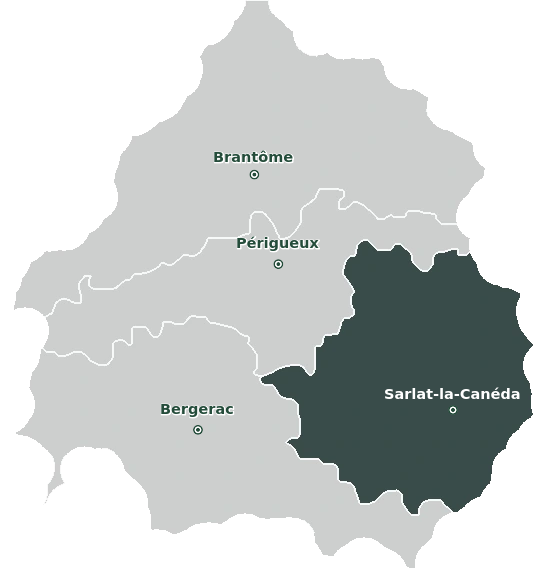
Where is the Périgord located? Black?
The Périgord Noir region occupies the southeastern part of the Dordogne, around Sarlat and the Dordogne and Vézère valleys. This historic and tourist destination does not constitute an administrative boundary; rather, it serves primarily to help organize a trip that combines cultural heritage, scenic landscapes, and charming villages.
The Dordogne River guides visitors on a journey of discovery from Beynac to La Roque-Gageac, while the Vézère River leads to prehistoric sites and Montignac-Lascaux. These two complementary valleys are best explored without trying to see everything in a single day.
Must-See Attractions in the Périgord Noir

Sarlat: A Stroll Through the Narrow Streets
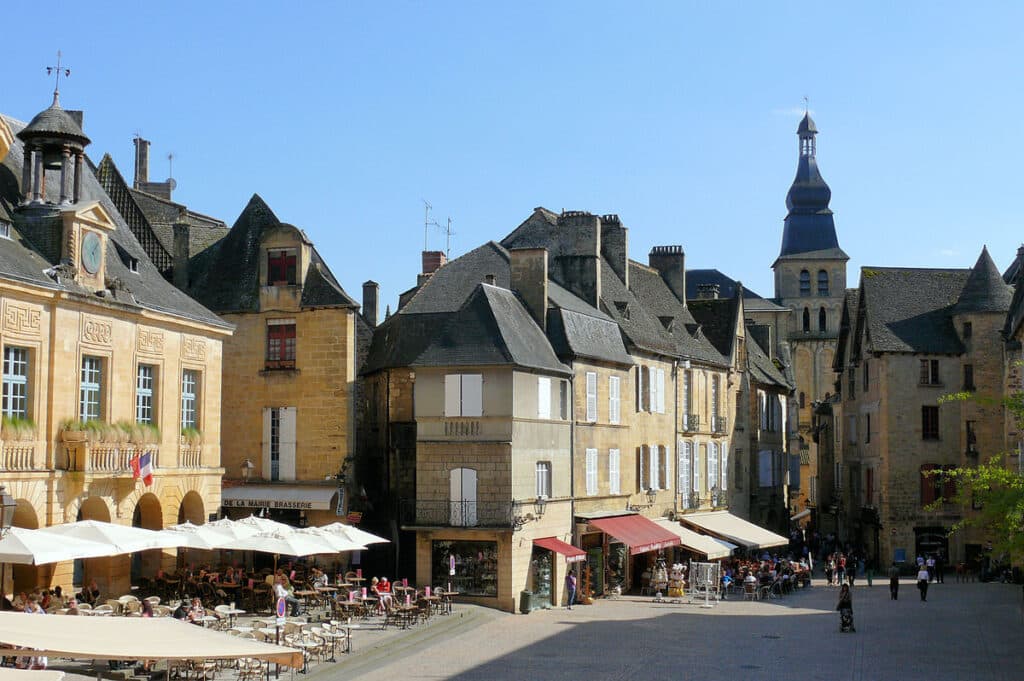
Blonde stone facades, passageways, and small squares come together to form a walking tour. Be sure to set aside some time to wander beyond the main monuments.

Lascaux IV and the Vézère Valley
In Montignac, Lascaux IV offers visitors the chance to explore a reconstruction of cave art. It serves as a gateway to understanding the role of prehistory in this valley.

Beynac Castle
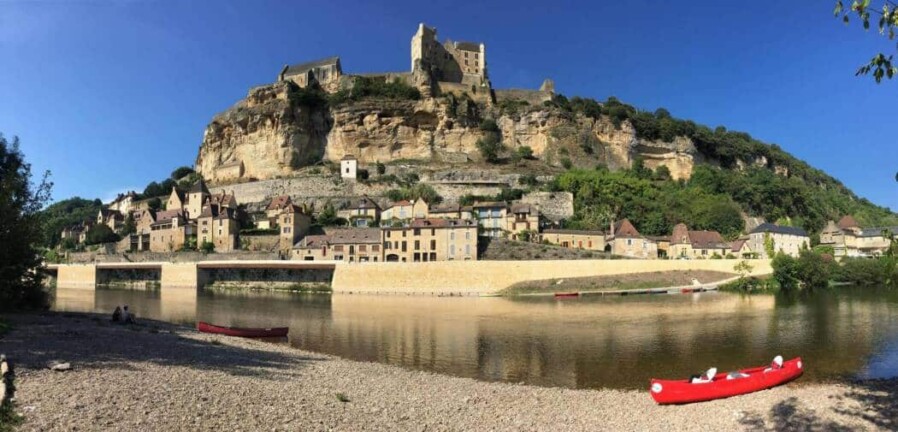
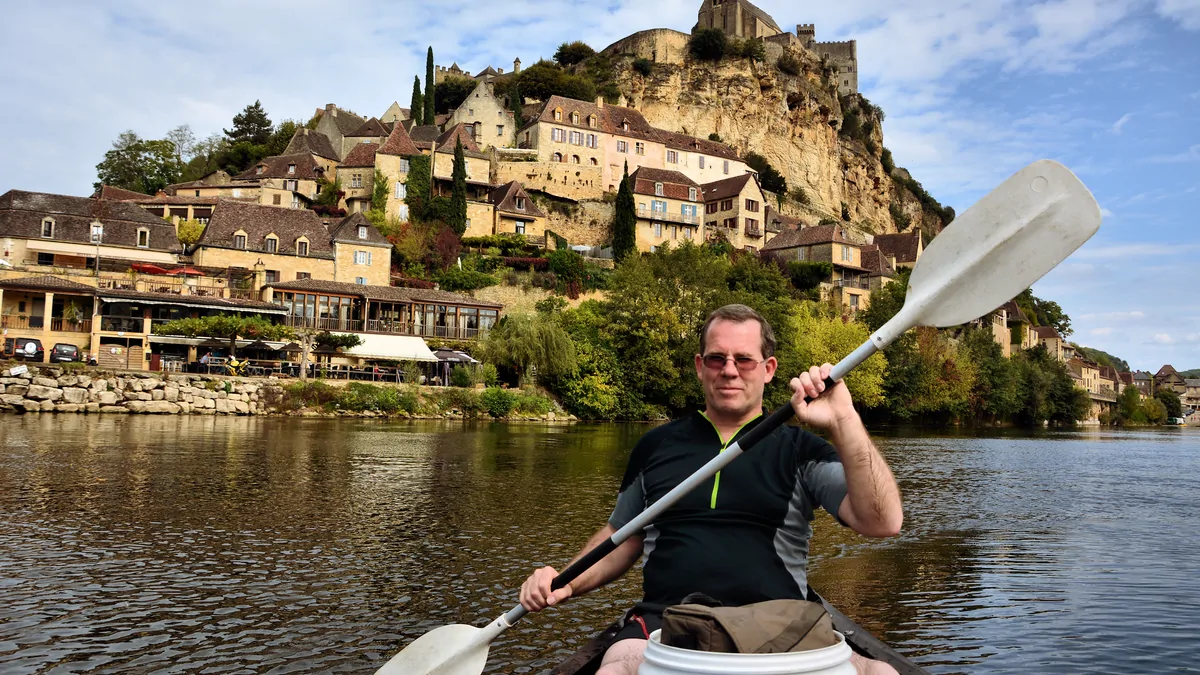
Overlooking the village and the Dordogne River, the fortress offers a spectacular view of the landscape. Combine your visit with a stroll through the winding, sloping streets.

Castelnaud castle
Perched high above the valley, the castle invites you to explore its medieval history. Check out its information page to plan your visit and find out about the activities on offer.

Marqueyssac Gardens
The boxwood-lined paths offer views of the Dordogne Valley. Be sure to set aside plenty of time to explore the gardens at your own pace.


Villages to explore at your own pace
Domme is known for its country house and its views of the valley. At La Roque-Gageac, the houses are nestled between the cliff and the river. Beynac-et-Cazenac extends the tour of the castle with its narrow streets and its setting along the Dordogne River.
In the Vézère Valley, Saint-Léon-sur-Vézère invites you to take another break, combining cultural heritage with a stroll along the water. Alternate visits to villages with rest stops: the small roads and rolling hills are also part of the journey.

Castles, gardens, and prehistory: Plan your own itinerary
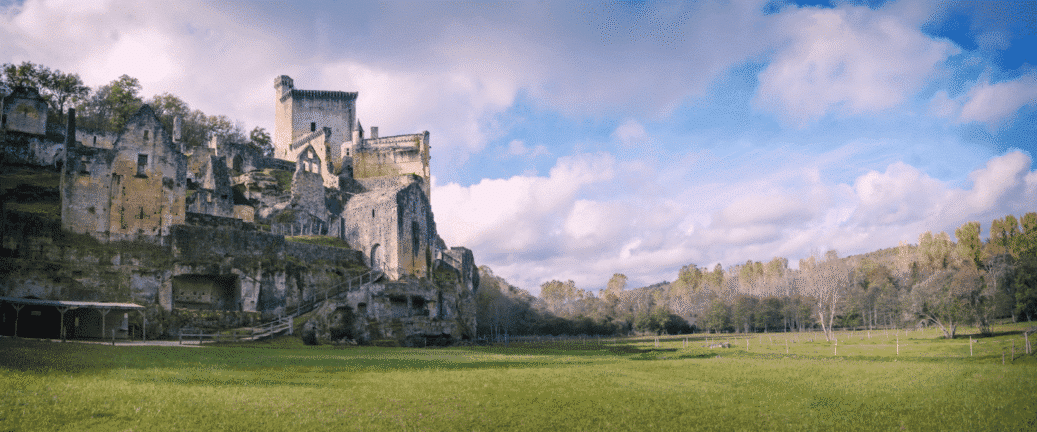
Instead of a series of visits, choose a central theme. A medieval-themed day can bring Beynac and Castelnaud together; a trip to the Vézère region can be centered around Lascaux IV. To mix things up, the Eyrignac gardens offer a chance to explore the plant world, while the Commarque Castle offers a different perspective on cultural heritage.
Check out our selection of Must-See Attractions in the Dordogne to expand your itinerary.
Nature and Activities in Tune with the Valleys
Walking, enjoying the scenery, or choosing a guided activity are great ways to experience the Périgord Noir in a different way. Check out the Hikes and Walks in the Dordogne to plan an outing suited to your skill level. Once on the water, check with the service providers about the day’s conditions, routes, and safety guidelines.
When traveling with your family, plan short stops and alternate between sightseeing, activities, and breaks. Before heading out, check the weather, access conditions, and any necessary reservations.
Plan Your Trip to the Périgord Noir

 ©
Where to sleep?
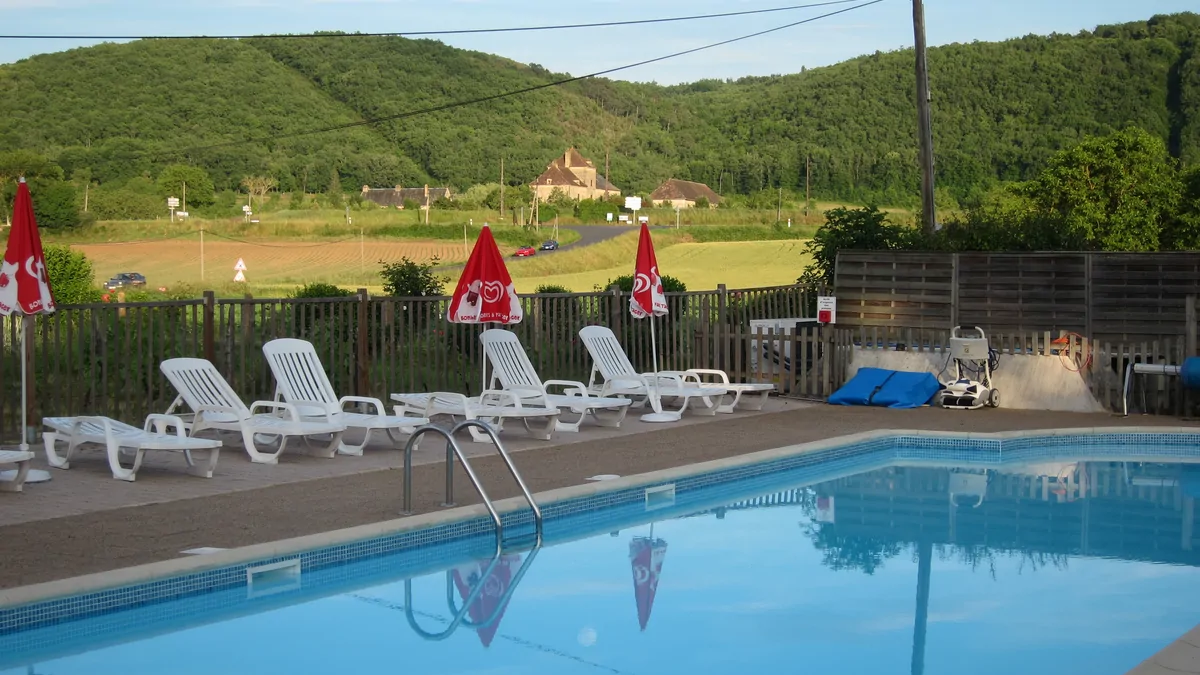
Choose your starting point based on what you're looking for: a peaceful getaway, exploring villages, or being close to attractions.
 ©
Where to eat and what to see?
Find restaurants and places to visit along your route. Check the practical information for each establishment.
 ©
What are some things to do during the trip?
Markets, shows, and activities make a getaway even more enjoyable. Check the available dates before planning your itinerary.
Practical Information About the Périgord Noir
How many days should you plan for a first visit?
A few days are enough to explore Sarlat and the surrounding valley. To also explore the Vézère River, several villages, and gardens without having to travel too much, plan a longer stay and limit the number of visits per day.
Which time period should you choose?
Each season offers a different atmosphere. Spring and fall are ideal for walking; in the summer, plan ahead for reservations and site hours. Outside of peak season, check opening hours before you go.
Is the Périgord Noir a good place to visit with the family?
Yes, by tailoring the program to the children’s ages and the conditions of the visit. Find out about the duration of the tours, access options, and the activities actually offered at each site.
Does the Périgord Noir encompass the entire Dordogne?
No. It’s a part of the department, in the southeast. The Périgord Blanc, Périgord Vert, and Périgord Pourpre round out this tourist guide to the Dordogne.