

Practical Guide · Dordogne-Périgord
Dordogne and Périgord: Frequently Asked Questions to Help You Plan Your Trip
Are you planning a visit, a weekend trip, or a vacation in the Dordogne? This guide provides information to help you understand the four Périgord regions, choose an area, plan your travels, and find ideas for activities. Schedules, prices, access conditions, water levels, and availability are subject to change: always check the latest information on the relevant website or with the service provider.

Visiting the Périgord
Getting There: By Train, Car, and Plane—Planning Your Arrival.

Where to stay in the Dordogne?
Choose a neighborhood and accommodations that suit your plans.

What should you do when it rains?
Ideas for indoor visits and activities; check availability based on the season.
1. Understanding the Dordogne and the Périgord
Identify the place names, landscapes, and landmarks that help you understand the Dordogne and its four Périgords.
What is the difference between the Dordogne and the Périgord?
The Dordogne is the name of both the department and its main river; the Périgord is the historical and cultural name of the region. In the context of tourism, the two names often refer to the same destination, but the Périgord is not an administrative district with official boundaries. The current department serves as a practical reference point for planning a trip.
Where is the Périgord?
The Périgord is located in southwestern France, in the Nouvelle-Aquitaine region. It corresponds mainly to the Dordogne department. Its valleys, plateaus, forests, vineyards, and villages create a diverse landscape; a map can help you better identify the different areas and distances before choosing where to stay.
Where is the Dordogne department located?
The Dordogne is located in the northeastern part of Nouvelle-Aquitaine. It is surrounded by several departments, whose boundaries are easier to understand on a map than in a written description. When planning a route, use the municipalities and travel times provided by an up-to-date mapping service rather than general distances.
Why do people talk about the four colors of the Périgord?
The designations Périgord Noir, Vert, Blanc, and Pourpre are historical and tourist landmarks associated with specific landscapes and visitor areas. “Noir” evokes the wooded valleys and cultural heritage; “Vert,” the northern landscapes; “Blanc,” the limestone regions of the center; and “Pourpre,” the wine-growing region of Bergerac. Their boundaries are for general reference only: they do not replace administrative maps.
Where is the Périgord Noir located?
The Périgord Noir region occupies the southeastern part of the Dordogne, around Sarlat and the Dordogne and Vézère valleys. It features villages, castles, gardens, and prehistoric sites. To avoid making too many trips, choose one valley or one theme per day and check the sites’ opening hours before you leave. See the guide to the Périgord Noir.
Where is the Périgord Vert located?
The Périgord Vert refers to the northern part of the Dordogne, particularly around Brantôme, Nontron, and the landscapes of the Haut-Périgord. The region features valleys, forests, meadows, and charming villages. The name is a tourist designation, not a single administrative boundary. See the guide to the Périgord Vert.
Where is the Périgord Blanc located?
The Périgord Blanc is located in the center of the department, around Périgueux and the Isle Valley. Its name refers in particular to the limestone landscapes and the light-colored stone of many of its buildings. Périgueux serves as a convenient base for exploring the area’s urban heritage and venturing out into the heart of the Dordogne. See the guide to the Périgord Blanc.

Where is the Périgord Pourpre located?
The Périgord Pourpre corresponds to the Bergerac region, in the southwestern part of the Dordogne. Its vineyard-dotted landscapes, bastides, and the town of Bergerac make it a destination in its own right for a vacation. The wineries and tasting venues have their own hours and visitor policies: be sure to check them before your visit. See the guide to the Périgord Pourpre.
What are the residents of the Dordogne called: Périgourdins or Périgordins?
Usage varies depending on the context and the speaker. “Périgourdins” is widely used to refer to residents of the Périgord and the Dordogne, while “Périgordins” also appears in some publications. The demonym for the city of Périgueux is “Périgourdins.” For official publications, follow the usage of local institutions rather than presenting a dichotomy as absolute.
Are the four Périgords official administrative regions?
No. These are historical, cultural, and tourist designations that help visitors interpret the landscape and plan their trips. The boundaries may vary depending on the map and local authorities. For an address, a specific procedure, or a route, refer to the municipality and the department; when choosing the right atmosphere for your stay, these four points of reference remain useful.
2. Historical and Administrative Background
A few historical and administrative points of reference help distinguish between common names and official designations.
Where does the name "Dordogne" come from?
The department is named after the Dordogne River. Popular explanations linking the names “Dore” and “Dogne” should be distinguished from established etymology. A definitive account should be based on a recognized source of toponymy or archival records and should note any uncertainties, rather than presenting a hypothesis as an established fact.
What is the origin of the name Périgord?
The name “Périgord” is ancient and tied to the region’s history. Its precise origin warrants consultation of a specialized historical or linguistic source. The editorial response should distinguish between attested ancient forms, historians’ interpretations, and folk tales. This caution helps avoid repeating an appealing but unverified etymology.
What is the prefecture of the Dordogne?
Périgueux is the department’s prefecture. It is home to the prefecture and several departmental administrative offices. Since procedures and service locations are subject to change, please check the official website of the relevant government agency before visiting. Discover Périgueux and the Périgord Blanc.
What are the subprefectures of the Dordogne?
The department has three subprefectures: Bergerac, Nontron, and Sarlat-la-Canéda. Not all administrative procedures are necessarily handled in every town. Check online to find out which office is responsible and where to go before making the trip.
What is the area of the Dordogne?
The Dordogne covers approximately 9,060 km². This official figure helps explain why travel time can be a factor in planning a visit. However, the area alone doesn’t tell the whole story: valley roads and small rural roads can make a trip take longer than a straight-line distance. Source: INSEE, Regional Comparison Tool.
How many people live in the Dordogne?
The population changes from one census to the next. As a point of reference, INSEE publishes a reference population figure for a specific year and geographic area; you should use the most recent figure available at the time of the update, indicating the year. Source: INSEE departmental data.
How many municipalities are there in the department?
The number of municipalities must be specified along with a reference date, as administrative boundaries may change. For the most current figure, consult the INSEE’s Official Geographic Code. When planning a visit, the name and address of the municipality are more useful than the departmental total.
In which region is the Dordogne located?
The Dordogne is part of the Nouvelle-Aquitaine region. This information is useful for understanding rail connections and regional services, but itineraries should be planned based on the actual train stations and towns served. Preparing for Your Arrival in Périgord.

3. Plan Your Trip and Choose a Neighborhood
Choose a place to stay and a pace that suit the distances, duration, and preferences of your trip.
Where is Sarlat?
Sarlat-la-Canéda is located in the southeastern part of the Dordogne, in the Périgord Noir region. The town serves as a good starting point for exploring the Dordogne Valley and, with some planning, the Vézère Valley. Driving distances and traffic conditions vary, so be sure to plan your specific routes from your lodging.
How many days does it take to explore the Dordogne?
Two days are enough for a first trip to the area, but not enough to explore the entire department. For a longer stay, choose one or two base locations and group your visits by valley. Your itinerary should take into account your desired pace, the season, and the opening hours of attractions. View the two-day itinerary.
Is it possible to explore the entire Dordogne in a weekend?
A weekend isn't enough to see the entire department without spending most of your time on the road. It's better to choose a theme—prehistory, castles, villages, nature, or vineyards—and set aside time for breaks. The Dordogne is best explored in stages rather than as a checklist.
Where should you stay on your first visit?
Choose the area based on the places you want to visit and your preferred mode of transportation. A base in the center of a small area minimizes daily travel; a touring itinerary may be a good option if you want to explore different valleys. Review the listing details and confirm availability directly with the host. Read the "Where to Stay" guide.
Which sector should I choose: Black, Green, White, or Purple?
Black is ideal for an itinerary focusing on Sarlat, the valleys, and prehistory; Green highlights the landscapes of the north; White makes it easy to explore Périgueux and the central region; Purple combines Bergerac , and the vineyards. These itineraries complement each other: choose based on your interests and the time you have available.
Is a car necessary to visit the Dordogne?
A car offers great flexibility for reaching scattered villages and attractions. A car-free trip is still possible if you focus on towns and activities accessible by train, car, or bike, and then check the connections and the final few kilometers. Don’t assume that a tourist attraction is accessible just because there’s a train station nearby. View the Access Guide.
Can you travel to the Dordogne by train?
Yes, several TER lines serve towns and villages throughout the department, particularly along the Bordeaux–Bergerac–Sarlat and Bordeaux–Périgueux routes. Schedules, construction, and connections are subject to change: use the TER trip planner for your specific dates, then check how to get to your lodging or the site you’re visiting. Source: Nouvelle-Aquitaine TER lines.
Which airports provide access to the Dordogne?
Depending on your departure city and destination area, several airports may be convenient, but commercial flight schedules vary by season. Be sure to check the destination, operating dates, and ground transportation options before booking. A local airport does not necessarily mean there is a regular flight. See the airports featured on Périgord.com.
4. Seasons, Weather, and Crowds
The season affects the atmosphere, visitor numbers, and visiting conditions; always check for the latest information.
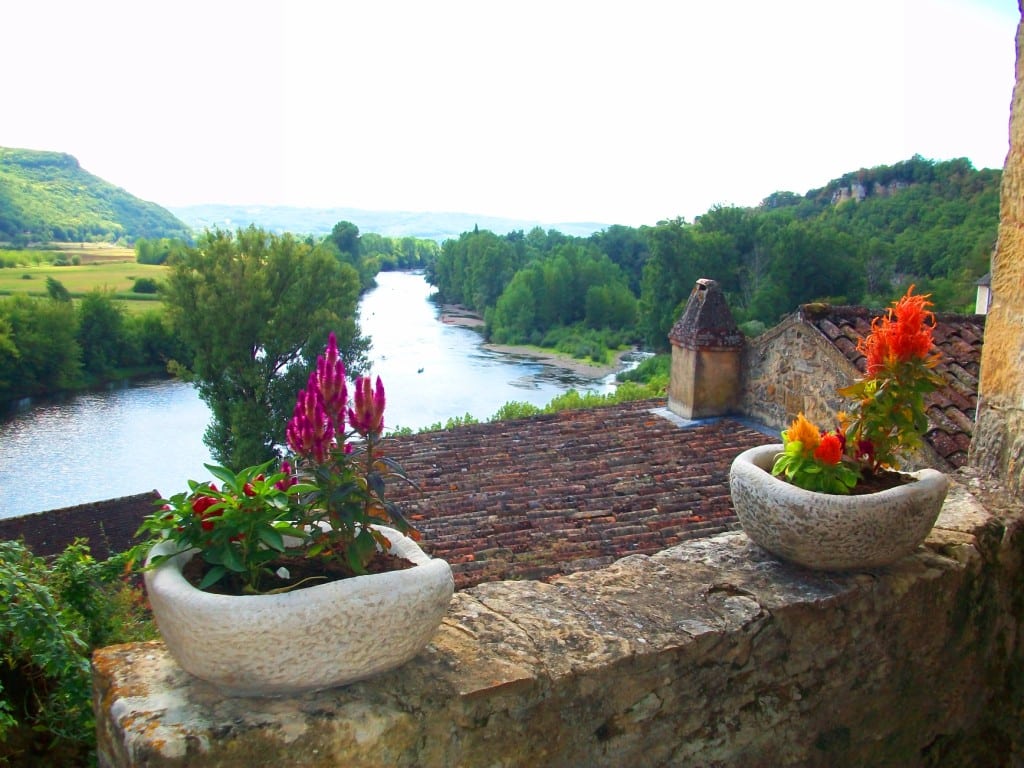
When is the best time to visit the Dordogne?
There is no one-size-fits-all ideal time of year. Spring and early fall are often popular with visitors who prefer walking tours and lighter crowds; summer offers long days and more seasonal activities, along with larger crowds. In winter, some sites close or have reduced hours. Choose based on your preferences, then check the weather and opening hours.
What's the weather like in the Dordogne in the summer?
Conditions may be hot and sunny, but they vary from year to year and from one area to another. Be sure to bring water and find shade for outdoor activities, and schedule the most sun-exposed visits for the morning or late afternoon when temperatures are at their highest. Check the forecast as your trip approaches rather than relying on an average that’s presented as a guarantee.
What to See in the Dordogne in the Spring?
Spring is the perfect time for walks through villages, gardens, and outdoor trails. Flowering dates, site opening hours, and weather conditions vary from year to year: be sure to check each itinerary before you go. For a well-rounded day, combine a heritage tour with an outdoor activity without traveling too far.
What to Do in the Dordogne in the Fall?
Fall is the perfect time to explore the scenery, markets, and seasonal produce. Grape harvests, festivals, and events do not take place on fixed dates: check the calendar and contact the organizers. The days are getting shorter, and some operating hours change after the peak season; be sure to confirm that places are open before making a long trip.
Is it possible to visit the Dordogne in winter?
Yes. Cities, museums, and certain attractions remain open, while water activities and many seasonal attractions are on hiatus. Hours may be reduced, and some tours may require reservations. Check the official information page for each location to confirm opening dates, and be sure to have a backup plan in case of inclement weather.
Does it rain often in the Dordogne?
Rain is possible in any season; its timing and intensity vary from year to year. A climate average reflects a long period of time, not what the weather will be like during your vacation. When planning your day, check the local forecast and have a few indoor activities in reserve. Weather Forecasts and Reference Points.
When is the busiest time of year for visitors?
Visitor traffic is generally heavier during summer vacation and long weekends, especially in popular areas. Local conditions vary depending on the event and location. Setting out early, making reservations when required, and choosing a less central attraction can make your itinerary more comfortable.
Do I need to book tours and accommodations in advance?
During peak seasons, it’s a good idea to plan ahead for lodging, attractions with capacity limits, and certain activities. During the off-season, your needs will depend on operating hours and days. Policies vary by location: be sure to check the terms and conditions directly on the provider’s website or in its listing before you go.
5. Sightseeing, Heritage, and Culture
From cultural heritage to villages, these suggestions offer ideas for putting together a varied itinerary.

Proumeyssac Cave or Padirac Cave: Which One Should You Choose?
The Gouffre de Proumeyssac is located in Audrix, in the Dordogne; the Gouffre de Padirac is located in the Lot, in Quercy. These are two different attractions, each with its own tour routes, duration, prices, and conditions. Compare the official information and travel time from your lodging before making a choice. The similar names do not mean that they are located in the same department.
Proumeyssac Fact Sheet · Padirac Fact Sheet.
What should you visit on your first trip to the Dordogne?
For your first visit, choose a few places that showcase different aspects of the region: a village, a historic or prehistoric site, and a walk through a valley or a garden. Since the sites are spread out, group them by area and set aside time to wander. This approach lets you enjoy your stay without rushing from one place to the next.
Where can you explore prehistory in the Dordogne?
The Vézère Valley is home to a concentration of prehistoric sites, decorated rock shelters, caves, and places for reflection. Visiting and reservation policies vary by site, particularly for fragile sites. Please consult the official information and avoid assuming that a site is accessible without a reservation or open year-round. Explore the Vézère Valley.
Should we reserve Lascaux IV?
The terms and time slots may vary depending on the season and visitor traffic. Check the official Lascaux IV website for the terms and conditions applicable to your visit date, as well as hours, prices, and availability, and then make a reservation if the site recommends it. Do not rely on an old answer or a price copied from an outdated guidebook.
What castles can you visit in the Dordogne?
The department is home to castles of various styles and eras, some of which are open to the public, while others are private or accessible only during certain times of the year. Choose a castle based on your location, then check the hours, guided tours, reservations, and accessibility information on the castle’s official page. Explore the castles.
Which villages are worth visiting in the Dordogne?
The Dordogne is home to towns and villages with distinct atmospheres: bastides, valley villages, medieval towns, and stone-built towns. Choose the ones located near your route rather than trying to visit a long list of distant destinations. Parking and access conditions may vary, especially during markets and events. Explore the villages.
What can you do in the Dordogne when it rains?
A rainy day can be a great opportunity to visit a museum, a cave, an indoor attraction, an art studio, or an exhibition. What’s available and the hours vary greatly depending on the season; call or check the official website before heading out. Keep your plans flexible, especially if you’re traveling with children.
Are there guided tours and activities for children?
Yes, some sites, tourist offices, and service providers offer guided tours, workshops, or activities designed for different age groups. The recommended age, duration, and reservation requirements vary by activity. Check this information on the activity description or with the organizer; the calendar also lets you find events scheduled during your stay.
6. Rivers, Nature, and Outdoor Activities
Rivers, trails, and landscapes can be explored based on local conditions and each person's skill level.

Can you swim in the Dordogne?
Swimming is permitted at certain designated sites, but it is not safe everywhere or under all circumstances. Currents, water levels, weather, water quality, and lifeguard coverage vary by location and date. Stick to designated areas, follow on-site instructions, and keep a close eye on children. Official information lists swimming areas and their conditions.
Where can you swim safely in the Dordogne?
Locate beaches, bodies of water, and recreational facilities, then check whether lifeguards will be on duty on your planned date. Water that appears calm is no guarantee of safety; in a river, currents and depths can vary. Follow the signs and instructions from local staff. View the listed locations.
When is the best time to go canoeing?
The season and conditions depend on the river, the water level, the weather, and the operating status of the water sports centers. Before booking, ask the provider which routes are open, how much time to allow, and what guidelines apply. Do not set out without following the safety rules and using the equipment provided on site. Find a canoeing or kayaking activity.
Can you go canoeing with kids?
Requirements regarding age, swimming ability, route, and supervision vary depending on the provider and river conditions. Be sure to check the guidelines of the facility you’ve chosen, and do not apply the rules from one route to another. Life jackets and appropriate equipment must be used in accordance with the professional’s instructions.
Where can I find hiking trails in the Dordogne?
The trails wind through valleys, forests, villages, and plateaus. Choose a loop that suits your skill level and check the distance, elevation gain, trail markings, and trail conditions. Be sure to bring water, appropriate footwear, and an offline map if cell service is unreliable. Browse Hiking Trails.
Is it possible to explore the Dordogne by bike?
Yes, there are bike routes and trails that let you explore several areas, but the terrain, traffic, and road surfaces vary. Check the length, elevation gain, and safety of each route before setting out. To rent a bike, check local options and confirm what equipment is available. View bike routes.
Are there horseback riding trails in the Dordogne?
Horseback riding trails are available in the department, with access requirements that vary by trail. Be sure to check the trail length, signage, facilities for horses, and local restrictions before setting out. Discover Horseback Riding Trails.
What activities can you do on the water or along the rivers?
Depending on the area and the season, you can enjoy canoeing and kayaking, gabare boat rides, fishing, swimming at designated sites, or walks along the riverbank. Each activity has its own rules, availability, and safety requirements. Check with service providers and local information sources rather than assuming that an activity is available everywhere.
Explore the Périgord in a Different Way · View Organized Outings.
7. Food, Markets, and Events
Local products, recipes, and events offer many ways to experience the region.

What local specialties should you try in Périgord?
Perigord cuisine showcases local products and recipes, with variations depending on the season and family. Notable dishes include those featuring walnuts, mushrooms, truffles, and duck products. The names, origins, and production methods of each product are worth noting. Discover the recipes.
When is truffle season?
The black Périgord truffle is a seasonal product, but harvest dates, markets, and events vary depending on the weather and the organizers. Check the local calendar and sales conditions before planning a visit. Avoid presenting a specific date as valid every year. View the markets · View the calendar.
What local products are worth trying in the Dordogne?
The Dordogne offers a wide variety of products depending on the region and the season, ranging from nuts and fruits to wines and prepared foods. To find out the exact origin, certifications, and availability, check with the producer or read the label. Shops and markets provide opportunities to meet producers, though there is no guarantee that every product will be available year-round. Find local products.
Where can you taste the wines of Bergerac ?
The Bergerac region is home to wineries and tasting venues that operate according to their own schedules, reservation policies, and opening hours. Check whether visits are walk-in or by appointment, and find out about the tasting policies. Make sure to have a designated driver if you’re traveling by car. Discover the Périgord Pourpre · View wine-related offers.
Where can I find a market in the Dordogne during my stay?
Markets are held on specific days and at specific times, which may change during holidays or depending on the season. Check an up-to-date source for your town and the specific date, then confirm the details locally if you’re traveling a long distance. Browse the markets.
Where can you try Périgord specialties?
Restaurants are located throughout cities, towns, and rural areas; their cuisine and hours of operation vary. Review the listings by area, then contact the restaurant directly to find out about the menu, hours, dietary options, and reservations. Search for a restaurant.
What events are taking place during my stay?
Markets, festivals, shows, tours, and organized activities are listed in the calendar as soon as they are announced. Filter by date and category, then check with the organizer for any changes. A listed event may be canceled or rescheduled: confirm before you go.
What should you bring back from a trip to Périgord?
Souvenirs can be food items, handicrafts, or mementos from a visit. For food items, check their origin, storage requirements, and applicable shipping regulations. For handicrafts, give preference to local artisans and workshops. Local Products · Périgord Crafts.
8. Accommodations and Reservations
Compare the different areas and types of accommodations based on your itinerary and needs.
Where can I find a place to stay in the Dordogne?
You can compare vacation rentals, bed-and-breakfasts, hotels, campgrounds, unique accommodations, and other options based on their location and features. Availability must be confirmed with the owner. Browse accommodations.
Vacation rental, bed-and-breakfast, hotel, or campground: which should you choose?
The choice depends on the level of independence you want, the services offered, your budget, and the length of your stay. A vacation rental generally offers self-catering accommodations; a bed-and-breakfast involves staying with a local host; a hotel provides hotel services; and a campground offers campsites or outdoor accommodations. Be sure to check the description and the services listed on each listing.
Where can I find a vacation rental?
Browse listings for vacation rentals and lodging, then compare location, capacity, amenities, and booking terms. The rates and availability shown may vary by owner; please confirm before making a reservation. Search for a vacation rental or lodging.
Where can you find unique accommodations?
This category may include cabins, trailers, and other unique types of accommodations, each with different amenities and access requirements. Check with the host regarding capacity, amenities, access, operating periods, and weather conditions. Discover Unique Accommodations.
Where can families stay in the Dordogne?
Choose a size and amenities that suit your family, then check the number of beds, accessibility, safety features, and the services actually offered. A central location isn’t always the best choice if your visits are concentrated in a single valley. Read the "Where to Stay" guide.
Is it possible to find accommodations for a group?
Yes, some properties accommodate groups, large families, or seminars. Maximum capacity, common areas, noise policies, and booking conditions vary. Please contact the property directly to confirm the available options for your desired dates. View group lodging options.
When should you book your accommodations?
During periods of high demand, long weekends, and major events, booking in advance gives you more options. During the off-season, some establishments close or only accept reservations on certain days. Be sure to check the calendar, cancellation policies, and any applicable fees before confirming your reservation.
How do I contact a lodging provider I found on Périgord.com?
Use the contact information and methods listed on the listing page. Périgord.com displays listings; availability, services, and terms and conditions must be confirmed directly with the accommodation provider. Do not provide banking information outside of a verified booking process.
9. Practical Information and a Stress-Free Stay
Find useful tips to help you plan your trips and organize a stress-free stay.
What should you pack for a trip to the Dordogne?
Pack items appropriate for the season and your activities: comfortable shoes, protection from rain or sun, and clothing suitable for cave tours or nature outings. The weather may change during your stay; check the forecast a few days in advance and bring a change of clothes for outdoor activities.
Is it possible to visit the Dordogne without a car?
You can do this by planning your trip around the cities served by the train and the activities accessible from celles. Rural destinations are sometimes far from train stations, and connections may be limited. Check regional schedules, bus routes, and last-mile transportation options for your travel dates. Read the Access Guide.
Where can you park in Sarlat and in the tourist villages?
Rules, parking areas, and peak times vary by municipality. Check with the local government or the tourist office before you arrive; avoid parking on the shoulder of the road or on private property. In Sarlat, the tourist office publishes up-to-date practical information.
Are the tourist attractions accessible to people with limited mobility?
Accessibility depends on the building, the terrain, the route, and the facilities available. General information is no substitute for checking with the site directly: ask for details about access routes, restrooms, parking, and assistance. Review the information sheets and contact the front desk before booking if you have specific needs.
Is the Dordogne a good place to visit with young children?
Yes, by adjusting the pace, distances, and duration of visits to suit the children’s ages. Alternate between outings, breaks, and activities; check age restrictions, available facilities, and access requirements. Tourist information offices and site guides can help you plan a realistic itinerary.
Are pets allowed in the accommodations and on the tours?
Rules vary by lodging, restaurant, attraction, and activity. Check the information on the listing and confirm directly before booking or heading out. Even when pets are allowed, restrictions may apply in certain areas, on public transportation, or along certain routes.
Are the opening hours and admission prices for these sites valid year-round?
No. Opening hours, admission fees, guided tours, and booking conditions may vary depending on the season, construction work, or the venue’s decisions. Please check the official websites or contact the venue on the day you plan your visit. The tourist information sheets are intended as a guide but do not replace confirmation from the venue.
Where can you get local information during your stay?
Tourist information offices can help you choose tours, get maps, and confirm local information. Their hours and services vary by office and season. Find the office that serves your area and check its website before visiting. Sarlat Tourism · Périgord Dronne Belle Office.
Es ce que quelqu un peut me donner l origine ethymologique du nom de Eyzies?
C est important pour finir mon livre sur nos amis hommes de Cro-Magnon ! Même di cette appellation ne plaît pas aux scienteux ! Merci beaucoup à Vous Tous et Toutes!
Bonjour
Nous souhaitons faire construire ou retaper une maison en Dordogne, dans le Perigord. Nous y serions de Avril à Octobre et donc le climat hivernal et la desertion à cette période ne nous effraient pas.
Par contre, nous avons vu beaucoup de terrains pour faire construire dans le Perigord vert, que nous connaissons moins bien.
Nous avons aussi de belles choses vers Brantome, pas si loin que ca de Perigueux mais on se demande si c’est important d’être prêt d’une “grande” ville dans la mesur eou il n’y a aucun accès TGV ou aérien.
FInalemeen tle perigord Vert est pus proche de Poitiers ou sinon Sainte Croix de Mareuil.
Merci à tous les connaisseurs pour leur retour qui nous permettra de finaliser notre projet de construction.
Muchas gracias por la hermosa página.
Querría saber el significado del sufijo francés antiguo “-ac”, utilizado en nombres de muchos lugares: Riberac, Verteillac, Bergerac, etc. etc.
Muchas gracias.
Bonjour, merci pour toutes ces informations
Nous envisageons de venir visiter votre superbe région fin octobre, début novembre.
Quel est le climat à cette époque? Est ce que les châteaux et jardins sont ouverts au public?
Quelles sont les précautions à prendre, les choses à prendre en compte pour profiter le mieux possible de ce séjour?
Je vous remercie de votre réponse
Bonjour
fin octobre / début novembre, l’automne et ses belles couleurs se sont installées en Périgord. Les températures en journée tournent en général autour de 20°C et les nuits sont relativement fraiches autour de 10°C, Il fait souvent beau , mais il y a aussi quelques précipitations permettant la cueillette des champignons. Les châteaux sont encore ouverts, c’est après les vacances de la toussaint qu’en général certains lieux ferment. Rien ne vous empêchera donc de passer un bon séjour.